


 English


Choosing between COB LED and SMD LED technology is a critical decision that impacts image quality, long-term costs, and compliance. This guide provides a detailed, measurable comparison to help you specify the right display for your project and avoid costly mistakes. We’ll break down the real differences, total cost of ownership, and clear application guidelines.
COB vs SMD: Quick Comparison 2026
Need a fast answer? For close-range, high-usage environments, COB LED is the superior choice. When budget is the primary constraint and the viewing distance exceeds 5 metres, SMD LED remains a viable option.
Here’s a snapshot of the 10 key parameters. Dive deeper into each section for the full analysis.
| Parameter | COB LED (Flip Chip) | SMD LED |
|---|---|---|
| Technology | Chip-on-board, area light | Surface-mount, point light |
| Min. Pixel Pitch | P0.4mm | P0.9–P1.25mm |
| Contrast Ratio | 10,000:1 ★★★ | 4,000–6,000:1 ★★ |
| IP Protection | IP54 ✅ (native) | IP20–IP40 ✗ |
| Noise Level | 0 dB (fanless-capable) | 35–55 dB |
| Eye Protection | ✅ IEC 62471 certified | ✗ Not certified |
| Moiré Effect | ✅ Zero | ✗ Present at <3m |
| Price Range | $1,200–1,850/㎡ | $400–700/㎡ |
| Repairability | Module-level replacement | Single LED chip ★ |
| Best Use Case | Boardroom / Studio / Medical | Budget install / >5m view |
COB vs SMD Technology Differences Explained
The core difference between COB and SMD isn’t about one being universally “better.” It’s a fundamental difference in construction that dictates every aspect of performance, from image quality to long-term reliability.
Understanding how they are built is the key to making the right choice.
SMD LED — The Industry Standard
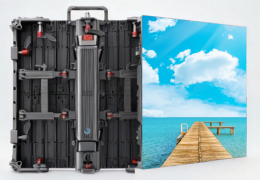
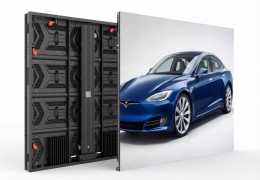
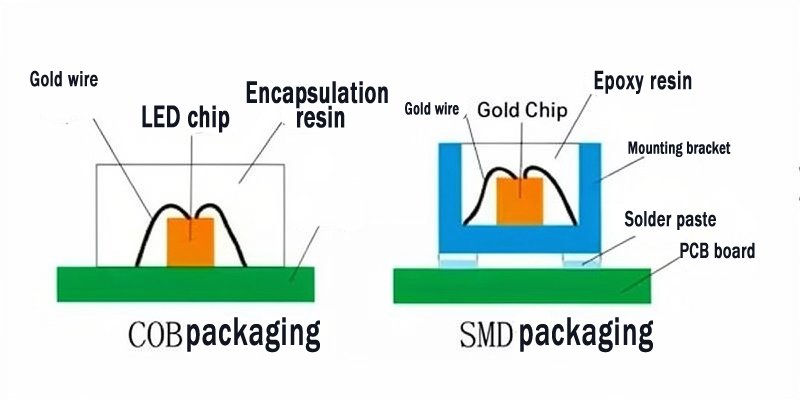
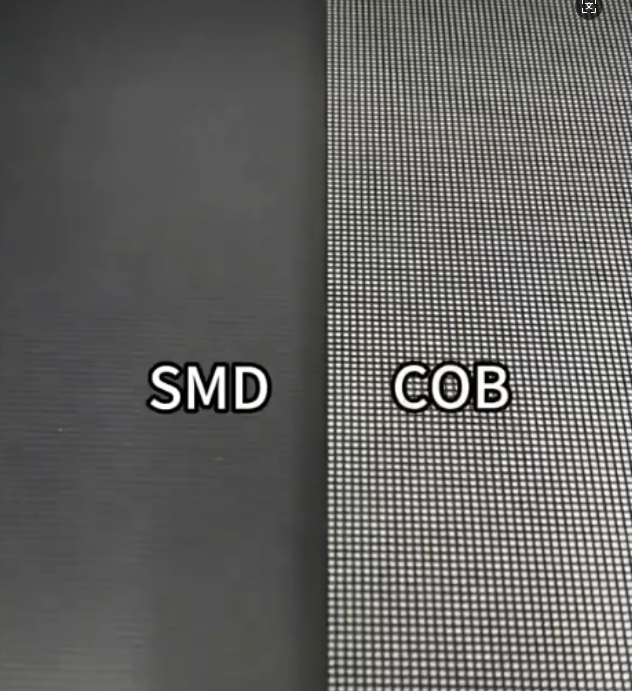
SMD packages individual LED chips inside tiny plastic housings. Each unit is then soldered onto a circuit board using thin metal bonding wires. This creates a grid of distinct point light sources.
It’s a reliable and cost-effective method, but it introduces two major structural weaknesses:
Ion Migration: Moisture can creep along the exposed bonding wires. Electrical current then drives metal ions, creating micro short-circuits. This is the leading cause of dead pixels in SMD displays after 2–3 years of operation. Caterpillar Effect: If one solder joint fails, the failure can travel along an entire row of LEDs, creating a visible line of dead pixels. Fixing a single LED won’t solve this; the entire driver circuit often needs replacement.
Remember this key point: SMD technology is physically limited in how small it can go. The minimum achievable pixel pitch is around P0.9–P1.0mm due to the size of the solder pads and housings.
COB LED (Flip Chip) — The Premium Standard
COB technology solves both of SMD’s weaknesses by eliminating the bonding wire entirely. LED chips are flipped and bonded directly to the substrate via microscopic copper pillars. The entire surface is then encapsulated under a continuous, smooth layer of epoxy resin.
This creates a seamless area light source, not a grid of points. The technical benefits are immediate:
Zero ion migration path. The solid epoxy layer blocks all moisture, achieving an IP54 rating inherently—no extra coatings needed. No bonding wires, no caterpillar effect. This failure mode is structurally impossible. Runs 10–15°C cooler. The direct thermal path from chip to substrate is 60–70% shorter, dramatically improving heat dissipation and longevity.
The reliability difference is staggering. Based on XVisual production data, COB failure rates are below 0.001%. Standard SMD rates are typically 0.01–0.1%. That’s a 10x to 100x difference in real-world operation.
For a commercial-scale product, COB can achieve pixel pitches as fine as P0.4mm.
Where Does GOB Fit — And Why It Yellows
GOB is not a separate technology. It’s a protective upgrade applied to standard SMD panels. A layer of transparent epoxy is poured over the finished SMD board, boosting its IP rating from ~IP20 to ~IP54.
GOB helps with moisture and physical protection, but here’s the catch: it doesn’t fix SMD’s core issues. The image is still from a point light source, and the risks of ion migration and caterpillar failure remain.
The big problem nobody talks about? GOB epoxy yellows over time. Under UV light and heat cycles, the encapsulant degrades within 12–24 months. This physically shifts the display’s colour temperature, creating a warm, yellow tint that no amount of software calibration can fix.
| Technology | True COB? | IP Rating | Image Type | Long-Term Risk |
|---|---|---|---|---|
| SMD | ✗ | IP20–40 | Point light | Ion migration, caterpillar |
| GOB | ✗ (SMD + coating) | IP54 | Point light | Yellowing, epoxy aging |
| COB (Flip Chip) | ✅ | IP54 native | Area light | Negligible |
12-Parameter Technical Deep Dive
Forget marketing fluff. Let’s look at measurable performance and what it means for your project.
1. Light Source Type
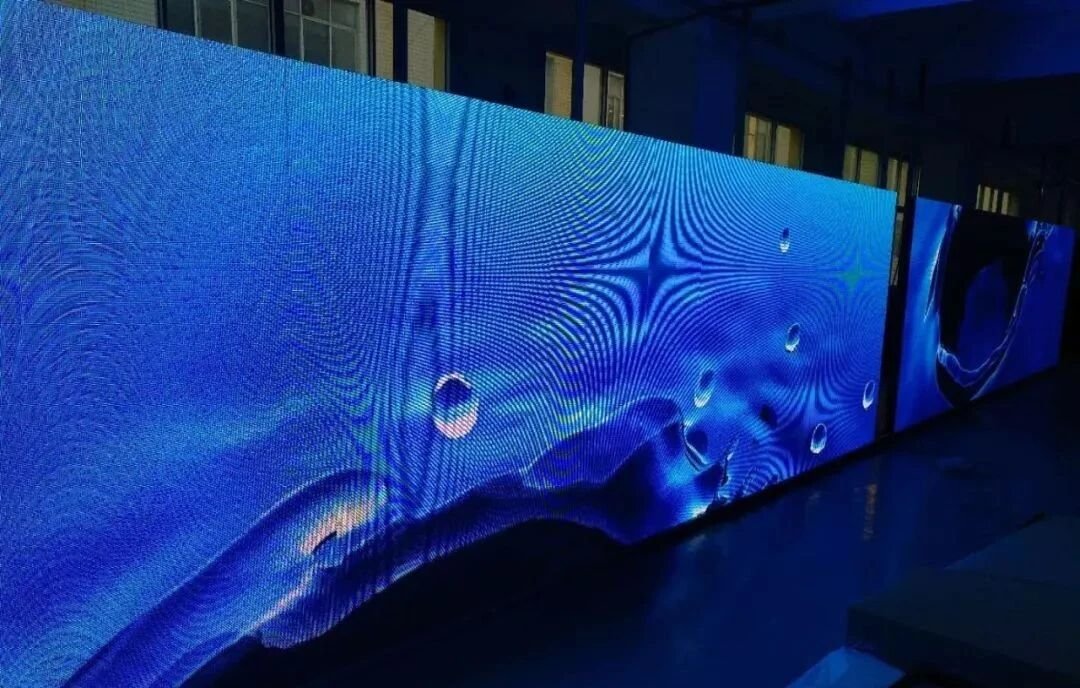
COB LED: Area (continuous) SMD LED: Point (discrete) Real Impact: COB’s seamless light source means zero Moiré patterns when filmed by broadcast cameras. SMD’s point grid can cause distracting interference.
2. Contrast Ratio
COB LED: 10,000:1 SMD LED: 4,000–6,000:1 Real Impact: In a dim boardroom or home theatre, COB delivers richer, deeper blacks. SMD screens can look washed out in comparison.
3. Refresh Rate
COB LED: 3,840–7,680Hz SMD LED: 1,920Hz typical Real Impact: High refresh rates eliminate rolling shutter effects on professional video cameras. This is non-negotiable for broadcast and virtual production studios.
4. Greyscale
COB LED: 16-bit (65,536 steps) SMD LED: 12-bit (4,096 steps) Real Impact: More greyscale steps mean smoother gradients. With COB, you won’t see colour banding in skies, skin tones, or cinematic content.
5. Moiré Effect
COB LED: Zero SMD LED: Visible at <3m Real Impact: For video conferencing close-ups or virtual sets, COB is the only safe choice to avoid distracting visual interference.
6. Blue Light Safety
COB LED: ✅ IEC 62471 Certified SMD LED: ❌ Not certified Real Impact: This certification is often a hard requirement for procurement in medical and educational facilities. COB meets it; SMD does not.
7. IP Rating
COB LED: IP54 native SMD LED: IP20–IP40 Real Impact: COB’s native protection saves you $5,000–8,000 on post-installation conformal coating that SMD often needs for dusty or humid environments.
8. Anti-Collision
COB LED: ✅ Full encapsulation SMD LED: ❌ Exposed chips Real Impact: The smooth, hard surface of a COB display can withstand the bumps of rental transport and stage installation. SMD’s exposed LEDs are fragile.
9. Surface Temperature
COB LED: 10–15°C lower SMD LED: Baseline Real Impact: Cooler operation directly extends the lifespan of the LEDs. This is critical for 24/7 control rooms or digital signage.
10. Noise Level
COB LED: 0 dB (fanless-capable) SMD LED: 35–55 dB Real Impact: Broadcast studios and recording facilities have a hard requirement for silent operation. Only fanless COB cabinets can achieve this.
11. Minimum Brightness
COB LED: 80 nits (colour-accurate) SMD LED: ~200 nits minimum Real Impact: COB can be dimmed very low while maintaining colour accuracy, making it perfect for dark home cinemas or screening rooms. SMD often can’t go dim enough.
12. Repairability
COB LED: Module-level (150mm unit) SMD LED: Single LED chip Real Impact: Yes, SMD is easier to repair at the chip level. But here’s the thing: it needs that repairability because it fails much more often. COB’s near-zero failure rate means you’ll almost never need to repair it.
3 Costly COB vs SMD Specification Myths
Don’t let these common misconceptions derail your project.
? Myth #1: “COB Can’t Be Repaired — So SMD Is Safer”
Reality: It’s true you can’t replace a single COB chip. But that misses the bigger picture: COB modules almost never fail.
SMD fails at a rate of 0.01–0.1% of chips per year. COB fails at a rate below 0.001%.
On a large installation, the “easy repair” of SMD exists precisely because it breaks so frequently. Over 5 years, SMD will require 3–4 times more service visits, each costing hundreds of dollars.
? Myth #2: “Always Buy the Finest Pitch COB Available”
Reality: This is a great way to waste budget. Pixel pitch should match your viewing distance.
Use this simple formula: Optimal Pixel Pitch (mm) = Viewing Distance (metres) ÷ 3
| Scenario | Viewing Distance | Correct Specification |
|---|---|---|
| Corporate boardroom | 3m | P1.0mm (P0.6mm adds 40% cost, zero visible benefit) |
| Security control room | 8m | P2.5mm SMD is adequate |
| Surgical imaging review | 1.5m | P0.5mm COB is required |
| Broadcast LED wall | 2m | P0.6–P0.9mm COB minimum |
Overspecifying on pitch is one of the most common and expensive mistakes in indoor LED procurement.
? Myth #3: “GOB Equals COB Performance at SMD Prices”
Reality: GOB only adds physical protection to SMD. It does not give you COB’s image quality, reliability, or colour stability.
Remember the yellowing issue? After 12-24 months, GOB epoxy degrades, shifting the colour temperature permanently. You can’t calibrate it out. This makes GOB a poor choice for any permanent, colour-critical installation.
Use GOB for: Short-term rentals, temporary setups. Avoid GOB for: Permanent installations, any project meant to last over 2 years.
Price & 5-Year Cost of Ownership
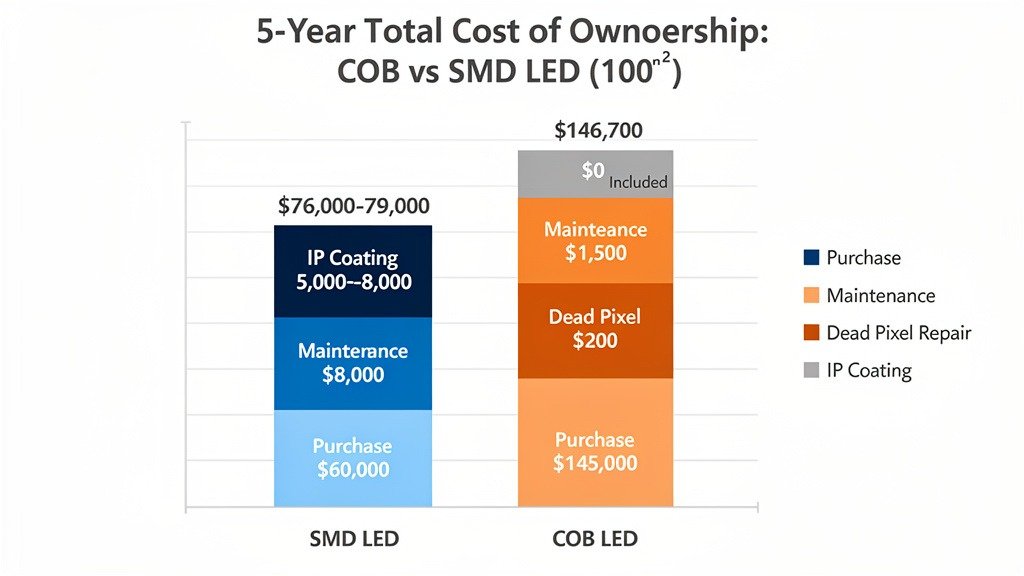
Yes, COB LED has a higher upfront cost. But for close-viewing applications, its long-term value and lower operating costs change the equation.
2026 Purchase Price Reference
| Category | Technology | Price/㎡ | Best Fit |
|---|---|---|---|
| Entry Level | SMD (XIF Series) | $400–700 | >5m viewing, budget-primary |
| Mid-Range COB | COB (XIS Pro) | $1,200–1,650 | Office, education, medical |
| Premium COB | COB (XFC Ace) | $1,580–1,850 | Broadcast, luxury retail |
| Rental COB | COB (XRC Series) | $80–120/day | Events, product launches |
5-Year Total Cost of Ownership Analysis
Baseline: 100㎡ display, 16hrs/day operation, 5-year period. Mid-range COB (XIS Pro) vs. Mid-range SMD (XIF Series) at P1.5 pitch.
| Cost Component | SMD LED | COB LED |
|---|---|---|
| Initial Purchase | $60,000 | $145,000 |
| Maintenance (5 years) | $8,000 | $1,500 |
| Dead Pixel Repair | $3,000 | $200 |
| Post-Install IP Coating | $5,000–8,000 | $0 (IP54 native) |
| 5-Year Total | $76,000–79,000 | $146,700 |
| Per ㎡ Per Year | $152–158 | $293 |
The Takeaway: Over 5 years, COB carries a significant premium. For applications where image quality, silence, and 100% reliability are mandatory (like broadcast or medical), this cost is justified. For large venues viewed from far away, SMD offers better cost efficiency.
Which Technology Should You Specify?
Here’s the one-line rule for procurement: “Over 5m viewing, budget-first → SMD. Under 5m, quality or compliance-first → COB. For fine pitch below P1.0 → COB only. 24/7 operation → COB, no exceptions.”
| Industry / Application | Specify | Key Driver | XVisual Product |
|---|---|---|---|
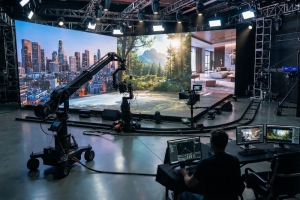
| Broadcast / TV Studio | COB | 0 dB noise (hard requirement) | XFC Ace |
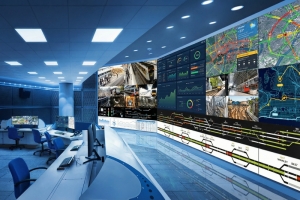
| Security Control Room | COB | 24/7 reliability + eye certification | XIS Pro |
| Medical / Healthcare | COB | IEC 62471 blue light compliance | XIS Pro |
| Corporate Boardroom | COB | Silent operation + premium image | XIS Pro / XFC Ace |
| Education / Training | COB | Eye protection, close viewing | XIS Pro |
| Luxury Retail | COB | Seamless look, IP54, zero Moiré | XFC Ace |
| Event / Rental | COB Rental | IP54, anti-collision, reliability | XRC Series |
| Budget Corporate (>5m) | SMD | Cost-optimised | XIF Series |
| Large Venue (>10m view) | SMD | Viewing distance negates COB premium | XIF Ultra |
FAQ
Q1: Is COB LED worth the extra cost compared to SMD?
For viewing under 5 metres or daily use over 8 hours, yes. The dramatically lower failure rate, eye safety certification, and superior image provide long-term value. For budget installations viewed from over 5m, SMD is more cost-efficient.
Q2: What is the minimum safe viewing distance for COB vs SMD?
COB’s area-light technology eliminates visible pixel structure and Moiré at any distance, even under 1 metre. SMD displays typically show a visible pixel grid below 2–3 metres. Always use the formula: Optimal Pitch (mm) = Viewing Distance (m) ÷ 3.
Q3: Can I upgrade my existing SMD LED wall to COB?
No. COB and SMD use completely different cabinet and module architectures. An upgrade requires a full cabinet replacement. Often, rising maintenance costs on an old SMD wall justify a complete COB replacement.
Q4: Does COB LED genuinely reduce eye strain compared to SMD?
Yes, with certification to prove it. Flip-chip COB displays qualify for the IEC 62471 blue light safety standard. The area light source also eliminates the micro-flicker from SMD point grids, which is a primary cause of eye fatigue during long viewing sessions.
Q5: How long does COB LED last compared to SMD?
COB is typically rated for 100,000 hours to 50% brightness (L50). SMD is usually rated for 60,000–80,000 hours. At 16 hours/day, that’s about 17 years for COB vs. 10–14 years for SMD. COB’s cooler operation is the key to its longer life.
Q6: Which industries require COB LED for procurement compliance?
Medical (for IEC 62471), broadcast studios (for 0 dB silence), and government/defence command centres (for native IP54 rating) often have hard specifications that only COB technology can reliably meet.
Q7: Does GOB LED yellowing affect display performance long-term?
Yes, significantly. This is GOB’s major flaw. The epoxy yellowing causes a permanent, uncorrectable shift in colour temperature after 12-24 months. For any permanent installation, specify true COB encapsulation, not GOB.