


 English


When selecting an LED screen, the application scenario is the primary consideration. The differences between indoor and outdoor environments dictate the core functional design of the screen. Choose correctly, and you'll enjoy clear visuals and reliable durability. Choose incorrectly, and you'll face subpar performance or frequent malfunctions. This article helps you understand the key differences between indoor and outdoor LED screens and teaches you how to precisely match your application needs for optimal performance.
I. Core Differences: From Environmental Demands to Product Design
The fundamental distinction between indoor and outdoor LED screens lies in their differing requirements for environmental resilience. Indoor environments are stable, prioritizing image quality and viewing experience. Outdoor settings are complex, demanding durability and visibility above all.
First, consider the most obvious comparison:
1. Brightness Requirements: Worlds Apart
Indoor lighting is gentle, so screens need moderate brightness. Typically, 300-500 nits suffice. Higher levels cause eye strain and reflections.
Outdoors face direct sunlight, demanding maximum brightness. Usually, 5000-8000 nits are required to ensure clear, non-washed-out images during daylight. This ensures visibility from 30 feet away.
2. Differing Protection Rating Requirements
Indoor environments are dry with minimal dust, so high protection ratings aren't necessary. IP54 (splash-proof and dust-resistant) is fully adequate for screens in offices or conference rooms.
Outdoor installations must withstand wind, rain, dust, and even hail. Choose IP65 or higher ratings to ensure dust and water resistance. Coastal areas may also require protection against salt spray corrosion.
3. Different Image Quality Priorities
Indoor viewers are closer—typically 1-5 meters away in meeting rooms—so image detail is paramount. Choose smaller dot pitches (P1.0-P2.0) for clear text and charts with natural color transitions.
Outdoor viewers are farther away—like roadside billboards where audiences may stand 10 meters or more distant. A slightly larger pixel pitch (P2.5-P4.0) is acceptable. Emphasis is on vibrant colors and high contrast to quickly capture attention.
II. Scenario Segmentation: How to Choose for Different Applications
Distinguishing between indoor and outdoor use is insufficient. Specific applications must also be considered. Different scenarios further narrow the selection range.
1. Key Selection Points for Indoor Scenarios
Conference Rooms/Auditoriums
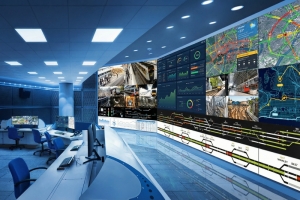
Prioritize ultra-thin, silent models. Fanless designs prevent meeting disruptions. HDMI and USB-C screen mirroring offer greater convenience. Opt for pixel pitches between P1.2 and P1.5 with brightness levels of 300-400 nits to minimize glare interference.
Retail Stores/Showcases
Emphasize color appeal. Select screens with DCI-P3 wide color gamut to showcase product details effectively. Wall-mountable ultra-thin models save valuable store space.
Indoor Exhibition Halls
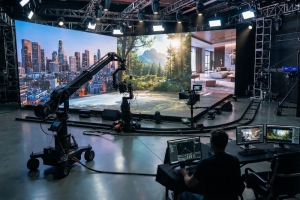
Pursue immersive experiences. Opt for seamless video walls with refresh rates ≥1920Hz to eliminate motion blur during dynamic content playback.
2. Key Selection Criteria for Outdoor Scenarios
Outdoor Advertising Screens
Prioritize durability and energy efficiency. Select models with IP65 protection and UV shielding to prevent fading from sunlight exposure. Energy-efficient driver solutions are crucial for significant electricity savings during 24/7 operation.
Sports Venues
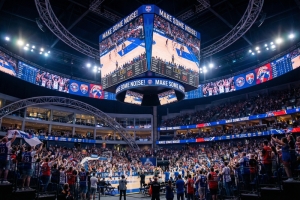
Prioritize wide viewing angles and smooth performance. Ensure viewing angles ≥178° for clarity from all stadium seats. Refresh rates ≥2400Hz prevent blurring during fast-moving live sports broadcasts.
Event Displays
Balance portability and protection. Opt for rental-grade modular units for easy setup/teardown. Features should include basic water resistance to withstand sudden weather changes.
III. Essential Compliance & After-Sales Considerations for US Buyers
Regardless of indoor or outdoor screens, compliance certifications are non-negotiable. These directly impact usage safety and legal risks.
UL Certification is fundamental. Commercial installations (offices, stores, venues) must pass UL safety certification to ensure compliance with US standards.
FCC Certification is mandatory. All electronics sold in the US require FCC certification to prevent interference with other devices.
Outdoor Displays Require Additional Consideration. For large outdoor displays, verify compliance with local installation codes. Wind resistance ratings should be ≥12 Beaufort scale to accommodate varying weather conditions across U.S. regions.
After-sales support is equally critical. Prioritize sellers offering local U.S. support for faster response times during installation, commissioning, and maintenance. Ensure clear warranty policies. Opt for a 3-year panel warranty and at least a 1-year full-unit warranty to minimize future complications.
IV. Final Selection Checklist
- Confirmed usage environment (indoor/outdoor) and viewer distance
- Verified brightness and pixel pitch meet application requirements
- Outdoor models have verified IP rating and weather resistance
- Product holds UL and FCC certifications
- Confirmed after-sales support and warranty terms
- Calculated total cost of ownership (including electricity and maintenance fees)
The logic behind selecting an LED display is straightforward. First, assess the environment (indoor/outdoor). Then, determine the application purpose. Finally, verify compliance and after-sales support. Following this process will help you avoid most pitfalls and choose the display that best suits your needs.